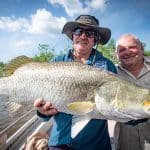
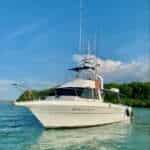
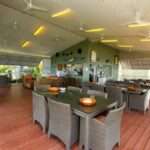
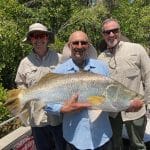
Darwin sits at the edge of Australia’s wild north, surrounded by some of the most productive fishing waters on the planet. If you have ever dreamed of hauling in a hard-fighting Barramundi, battling a Black Marlin offshore, or simply spending a day on the water with an expert local skipper, you are in the right place. Fishing charters Darwin offers are among the most diverse and exciting in the country, catering to complete beginners and seasoned anglers alike.
This guide was built specifically for first-timers who want to make the most of their Darwin fishing experience without the guesswork. You will discover why Darwin is considered one of Australia’s premier fishing destinations, which types of charters are available, and where the best fishing locations actually are. We also cover the best times to book, what to look for in a reputable charter operator, and what you can realistically expect to pay in 2026. By the end, you will have everything you need to plan a confident, well-informed fishing charter adventure in the Top End.
Why Darwin Is One of Australia’s Best Fishing Destinations
Few destinations in Australia stack up against Darwin when it comes to sheer fishing variety. Within a single trip, you can chase Barramundi through tidal estuaries and floodplain billabongs in the morning, then target Sailfish, Marlin, and Longtail Tuna in offshore waters the same afternoon. That combination of world-class inshore and offshore species in one location is genuinely rare, and it is the foundation of Darwin’s reputation among serious anglers.
The tidal systems driving this fishery are among the most powerful in Australia. Darwin Harbour experiences some of the most significant tidal movement in the country, producing fast-moving water that concentrates baitfish along mangrove edges, creek mouths, and channel margins. Predatory fish stack in these feeding windows with precision. Understanding exactly when those windows open, and which locations they activate, is what separates a productive charter day from an average one.
Seasonality adds another dimension. The wet season (January to April) floods the Top End floodplains and triggers prolific Barramundi feeding, with fish pushing deep into inundated vegetation. The dry season (May to September) drains those floodplains back, concentrating Barra in creek systems while opening remote dirt roads that are otherwise impassable. Offshore, the dry season delivers settled sea states and clean water that make billfish runs practical and productive. For a full breakdown of species, timing, and locations, the Fishing Darwin NT: Species, Seasons, Locations and Charter Guide covers the Top End fishery in detail.
Geography is another genuine advantage. No other Australian capital city puts you within reach of Kakadu National Park, Arnhem Land, and the Daly River system the way Darwin does. These are remote wilderness fisheries with minimal angling pressure, and accessing them independently involves complex logistics including Aboriginal Land Permits, National Park entry requirements, and unsealed road travel. A charter operator with the right credentials removes those barriers entirely. If you are trying to work out where to start, the Best Fishing Spots Near Darwin: A Local Guide for Visitors maps the Top End’s key locations clearly.
Types of Fishing Charters Available in Darwin
Darwin’s fishing charter market is structured around six distinct formats, each suited to a different level of ambition, budget, and available time. Knowing which type fits your trip is the most important decision you’ll make before booking.
1. Day Charters
The most accessible starting point, day charters run 6 to 8 hours from Darwin Harbour and target inshore species including Barramundi, Mangrove Jack, and Queenfish. Entry-level pricing starts around AU$250 to AU$260 per person, with all gear and guidance typically included. If you’re searching for fishing in Darwin and want to understand what’s within easy reach, a day charter is the natural first step.
2. Multi-Day Expedition Charters
Destinations like Dundee Beach, Bynoe Harbour, Corroboree Billabong, and the Daly River are simply impractical on a single day trip. Multi-day expeditions unlock these remote systems, where fishing pressure is minimal and species diversity increases significantly. Anglers access water that day-trippers never reach.
3. Offshore Pelagic Charters
These charters depart before dawn and run to deeper offshore structures where Sailfish, Black Marlin, and Longtail Tuna are the primary targets. Dedicated vessels carry heavier tackle setups configured specifically for billfish and pelagic work. This is a fundamentally different operation to inshore fishing and requires booking with an operator whose vessel and skipper are set up for offshore conditions.
4. Live-Aboard Mothership Charters
The most immersive format available in the Top End. Anglers sleep aboard a purpose-built vessel and relocate each day to fish untouched water across multiple remote locations. The mothership model eliminates the need to return to Darwin each evening, which means consecutive days on pristine, low-pressure fisheries. No day charter can replicate this level of access.
5. Fishing Lodge Packages
Lodge packages combine dedicated accommodation with guided charter days in a single structured itinerary. For anglers unfamiliar with the Northern Territory, this format removes the significant logistical burden of self-organising transport, permits, and gear across remote country. Everything is handled, so the focus stays on fishing.
6. Group and Corporate Charters
Darwin’s charter fleet includes vessels up to 42 feet, accommodating parties of up to 12 people. The market is specifically segmented to serve groups of 4 to 12, making it well-suited to workplace teams, fishing clubs, or groups of mates travelling together. Larger shared vessels also reduce per-person costs, which makes group bookings one of the more cost-efficient ways to experience the Top End’s fishery.
Each format serves a different type of angler. First-time visitors to Darwin will find day charters and lodge packages the most straightforward entry points. Serious anglers with more time should look closely at mothership and expedition formats, where remote access makes the real difference.
Top Fishing Locations Covered by Darwin Charters
Knowing which charter type suits you is only half the equation. Where that charter takes you determines which species you encounter, how much fishing pressure you face, and how remote your experience genuinely is. Darwin charters cover a wider geographic spread than most anglers realise.
- Darwin Harbour and tidal creeks. The harbour and its surrounding mangrove creek systems are the most accessible starting point, available on a half-day or full-day charter. Darwin’s powerful tidal movement creates predictable ambush points along mangrove lines where Barramundi hold and feed aggressively. This is the logical first destination for visitors new to Top End fishing. For a deeper grounding in the species before you go, Barra Fishing Darwin: 8 Things Every Angler Needs to Know covers behaviour, tackle, and timing in practical detail.
- Dundee Beach and Bynoe Harbour. Sitting southwest of Darwin, these two locations are recognised premier fisheries for Barramundi and Mangrove Jack. Shallow tidal flats and extensive creek systems hold fish consistently across the dry season, and the reduced angling pressure compared to Darwin Harbour produces noticeably better average catch rates.
- Corroboree Billabong and Shady Camp. Both sit within the Mary River system and are well-known Barramundi fishing destinations. During the dry season, large fish concentrate in billabong systems as water levels drop, and the visual drama of watching a big Barra strike on the surface against a floodplain backdrop is unlike anything available in southern Australia.
- Kakadu National Park. Kakadu is a UNESCO World Heritage-listed site covering nearly 20,000 square kilometres approximately 240 km east of Darwin. The wetlands and river systems inside the park hold Barramundi, Saratoga, and other native freshwater species. Accessing these waters requires a multi-day charter that handles National Park entry logistics on your behalf, including permits and compliant access protocols.
- The Daly River. South of Darwin, the Daly River offers deep, timber-strewn holes where large Barramundi respond best to technical lure work and flyfishing presentations. Fishthetopend.com operates dedicated itineraries here, and the destination rewards anglers willing to invest in a multi-day trip rather than passing through on a day trip.
- Arnhem Land. The most remote and exclusive destination reachable from Darwin. Entry requires Aboriginal Land Permits, which reputable charter operators arrange as part of the itinerary. The river systems and estuaries here receive minimal angling pressure, and trophy Barramundi along with a range of saltwater species are encountered in conditions that simply do not exist closer to Darwin.
- Offshore Darwin waters. Beyond the harbour, Darwin’s pelagic grounds produce Sailfish and Marlin action, particularly during the build-up and dry season. Cleaner water and stable southeast trade winds create reliable trolling and live-baiting conditions for billfish that are not accessible from inshore charter formats.
Seasonal Fishing Guide: When to Book Your Darwin Charter
Knowing when to book is just as important as knowing where to fish. The Top End runs on four distinct seasonal windows, and each one delivers a different fishing experience.
1. Dry Season (May to September): The Peak Booking Window
The dry season is the most popular and most predictable period to book a Darwin fishing charter. Clear blue skies, light south-easterly breezes, and passable roads to remote locations combine to make this the easiest season for first-timers. As waterholes and creek systems shrink, estuarine Barramundi concentrate at creek mouths and tidal river bends, creating consistent, accessible bite windows. Offshore, calm seas and clean water make runs to Darwin’s billfish grounds practical. Spanish Mackerel, Golden Snapper, Coral Trout, Red Emperor, and Black Jewfish are all active during this window, with stable sea states suited to both trolling and bottom fishing.
2. The Build-Up (October to December): Surface Lure Season
Rising humidity and the season’s first storms trigger a marked shift in Barramundi behaviour. Fish move into shallower water and surface lure fishing can be highly effective during calm mornings between storm fronts. The build-up also signals the start of the Barramundi breeding season, with fly fishing conditions rated excellent in windless mornings. Sailfish and Black Marlin become more active during this period as offshore conditions shift. Book early in this window; conditions can change week to week.
3. Wet Season (December to April): Specialist Territory
Floodwaters inundate the Top End floodplains and Barramundi disperse deep into submerged vegetation, feeding prolifically but requiring local knowledge to locate. Self-guided anglers struggle with access and navigation during this period. Experienced charter operators running mothership or lodge-based itineraries can reach productive wet season water safely, including creek systems and estuaries that are effectively inaccessible without a dedicated vessel and local expertise. If wet season Barra fishing interests you, read the full breakdown in our guide to Barra fishing charters in Darwin before you commit.
4. Shoulder Seasons (April to May and September to October): Best Species Diversity
For anglers wanting both inshore Barra and offshore pelagics in a single trip, shoulder season bookings offer the strongest overlap. April to May catches the tail of the run-off Barra bite alongside building offshore conditions. September to October pairs a strong inshore Barra bite with the final weeks of reliable billfish season. Either window maximises species diversity without requiring two separate trips.
What to Look for When Choosing a Darwin Fishing Charter
Knowing when to fish is only half the equation. Knowing who to fish with determines whether that timing converts into results.
1. Skipper local knowledge
No single factor separates good Darwin fishing charters from great ones more clearly than skipper knowledge. Darwin’s powerful tidal movement means the difference between fishing a creek mouth 20 minutes too early or too late can mean zero fish versus a red-hot session. Operators who have fished these systems across multiple seasons understand which specific snags hold Barramundi on a falling tide, which offshore structure lights up in May, and how fish move as the build-up approaches. Generic approaches on the same water simply do not produce the same results.
2. Vessel size relative to your group
Ask the operator directly how many guests are booked on your departure before you commit. Too many anglers on too small a vessel creates casting conflicts, crowded decks, and slower runs between spots. Confirming this detail in advance is the simplest way to avoid a preventable frustration.
3. Remote access credentials
For anglers wanting to reach Arnhem Land, Kakadu, or restricted waterways, permit access is a hard requirement, not a bonus. Aboriginal Land Permits for Arnhem Land are administered by the Northern Land Council and must be held or facilitated by your operator before entry. Ask specifically whether your charter holds current permits, maintains working relationships with National Park authorities, and has the logistical infrastructure, fuel capacity, and safety equipment to support multi-day remote expeditions. Operators without these credentials cannot legally or practically take you to the NT’s most productive and least-pressured fishing grounds.
4. Accommodation integration
Self-organising remote NT accommodation, permits, transfers, and charter bookings as separate transactions is genuinely complex, particularly for first-time visitors. Operators offering private offshore and multi-day charter packages that bundle lodge stays or live-aboard mothership access into a single itinerary remove that planning burden entirely. For any trip extending beyond a single day, this integration is a meaningful practical advantage.
5. Pre-booking consultation quality
A quality operator contacts you before the trip with guidance on tides, seasonal conditions, target species, and appropriate tackle. That proactive communication signals genuine investment in your experience. An operator who simply confirms your booking time and bank details is not working in your interest the same way.
Darwin Fishing Charter Pricing: What to Expect in 2026
Once you understand what drives pricing, budgeting for your Darwin fishing charter becomes straightforward. Costs reflect three variables: how far from Darwin the boat travels, how many anglers share the vessel, and whether accommodation and permits are bundled in.
1. Entry-level day charters: from AU$250 to AU$260 per person
Shared inshore day charters represent the most accessible starting point. This tier suits first-time visitors who want a genuine Top End fishing experience without committing to a multi-day itinerary, with standard gear provided and trips typically running six to eight hours targeting Darwin Harbour and nearby tidal creeks.
2. Mid-tier specialist charters: AU$1,000 to AU$1,400 per person
Dedicated Barramundi day trips to locations like Dundee Beach or shared offshore pelagic charters targeting Sailfish and Marlin sit in this bracket. Smaller group sizes mean more casting room, more time on productive water, and a skipper focused on your specific species target rather than managing a full shared boat. The price difference buys a materially better fishing outcome, not just comfort.
3. Premium remote and multi-day expeditions: AU$1,800 and above
Arnhem Land expeditions and extended mothership live-aboard itineraries start here. The price incorporates Aboriginal Land Permits, remote fuel logistics, all accommodation aboard or at a lodge, meals, and access to river systems and estuaries that face virtually no recreational fishing pressure. None of that is available on a Darwin Harbour day charter at any price. For a full overview of what remote NT charters cover geographically, the Fishing Charters in the Northern Territory: Darwin, Dundee Beach and Beyond guide details the range of destinations within a single operator framework.
4. Multi-day value versus stacking day trips
A five-day mothership expedition accessing five separate remote locations does not equal five day charters from Darwin in different clothing. When you factor in accommodation costs, transfers to distant put-ins, and the permit fees required for restricted waterways, the per-day cost of a bundled expedition frequently compares favourably to assembling the same itinerary independently. The compounding benefit is fish that have seen little pressure across consecutive days.
5. Group bookings: 8 to 12 guests
Larger vessels accommodating eight to twelve anglers distribute fixed charter costs across more people, reducing the per-person rate considerably. Corporate groups and fishing club parties travelling together will find Darwin’s shared charter market particularly efficient for this reason. Confirm group pricing directly with operators before booking, as rates vary by vessel and season.
Fishing Charters with Fishthetopend.Com: What Sets the Top End Apart
Price tells you what a charter costs. Operator scope tells you what it can actually deliver.
Fishthetopend.com operates across the full geographic spread of Northern Territory fishing within a single operator framework. That means one booking relationship covering Darwin Harbour, Dundee Beach, Bynoe Harbour, Corroboree Billabong, Shady Camp, Kakadu, the Daly River, and Arnhem Land. Most Darwin charter operators work from a fixed home base and a single vessel. Fishthetopend.com is structured differently, as a multi-location operation built around the NT fishery as a whole rather than one access point.
The mothership live-aboard option
The live-aboard mothership is the most significant practical differentiator in the Darwin charter market. As outlined above, the live-aboard format means anglers fish a different remote location each day across consecutive days without returning to Darwin between sessions, unlocking water that sees minimal pressure precisely because it is too remote for day-trip access. For serious anglers, it is the highest-access format available in the Top End. You can read more about what these remote fishing adventures in the Northern Territory look like in practice.
Darwin fishing lodge packages
Lodge accommodation packages pair guided charter days with dedicated lodge stays, producing a fully managed itinerary. Meals, transfers, gear, and daily fishing scheduling are handled as a single package. This format works equally well for tourists visiting Darwin for the first time and for experienced interstate or international anglers who want the logistics handled by people who know the fishery, not by a third-party accommodation booking.
Permit logistics handled for you
Over 80 per cent of the NT coastline and many river systems fall under Aboriginal land rights legislation, and the intertidal access rules that followed the 2008 High Court ruling apply to key fishing destinations including Arnhem Land, Cox Peninsula, and Bynoe Harbour. Obtaining compliant access requires navigating permits across multiple land councils and Aboriginal corporations. Fishthetopend.com builds Aboriginal Land Permit logistics, National Park entry requirements, and restricted waterway compliance directly into the itinerary planning process. That removes the single most complex barrier to accessing the NT’s premier destinations, which self-guided anglers frequently underestimate until it blocks their trip.
Built for both tourists and dedicated anglers
Trip design is flexible across group sizes, target species, duration, and experience level. A visitor to Darwin wanting one memorable guided day on the water gets a properly structured charter. A keen angler flying in from interstate or overseas to target trophy Barra in Arnhem Land gets a full expedition itinerary. The operator serves both without compromising either.
Plan Your Darwin Fishing Charter: Key Takeaways
With your itinerary options confirmed, these four decisions will determine whether your Darwin fishing charter delivers on its full potential.
Book during the dry season (May to September). This window gives you the most reliable convergence of conditions: remote roads are passable, offshore seas are settled for billfish runs, and Barramundi concentrate in shrinking creek mouths and billabongs where they are genuinely accessible. Outside this window, access and conditions become variable enough to compromise a trip built around specific remote locations.
Match your charter type to your actual ambition. A day charter from Darwin Harbour is the right starting point for first-time visitors wanting to experience Top End fishing without committing to a full expedition. If your goal is to fish remote, unfished water across Arnhem Land, the Daly River, or Kakadu, a multi-day mothership or fishing lodge itinerary is the correct format. Choosing a day charter when your ambition is remote exploration leaves the best water unreached.
Prioritise operators with genuine remote access credentials. As covered above, Aboriginal Land Permits for Arnhem Land entry, multi-location itinerary capability, and established access to National Park waterways are concrete credentials worth confirming before booking. Operators without these are structurally limited to Darwin Harbour day trips regardless of how their marketing is framed.
Contact Fishthetopend.com directly before committing to any booking. The team offers pre-booking consultation covering timing, species targets, and location selection matched to your experience level and goals. This conversation costs nothing and removes the guesswork from one of the most logistically complex fishing destinations in Australia. A short call or enquiry is the most efficient way to confirm that your chosen itinerary, season, and budget are aligned before you lock anything in.
The Top End’s fishery genuinely rewards preparation. These four decisions are where that preparation pays off.