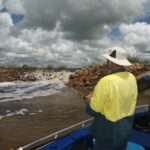
There’s a reason experienced anglers keep coming back to the Northern Territory. The fishing up here is unlike anywhere else in Australia, and a live aboard charter is one of the best ways to experience it properly.
But if you’ve never done anything like this before, it can feel a little overwhelming. What exactly is a live aboard charter? Where do these boats actually go? Do you need to be an experienced angler just to show up? And how much is this whole adventure going to set you back?
This guide is here to answer all of that. We’ll walk you through everything a first-timer needs to know, from the best time of year to go and what species you can expect to catch, to what life on the boat is actually like and how to get yourself booked. Along the way, you’ll get a real sense of what makes NT waters so special, covering iconic spots like Dundee Beach, Shady Camp, the Daly River, and even remote Arnhem Land.
Whether you’re seriously considering a trip or just curious about what’s involved, read on. This one’s for you.
What Is a Live Aboard Fishing Charter in the NT?
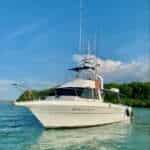
A live aboard fishing charter in the NT works around a central vessel called a mothership. This is a purpose-built boat that serves as your floating accommodation and base of operations for the entire trip. Each day, smaller custom sport fishing boats are deployed from the mothership to reach the actual fishing grounds, letting you cover water that a single vessel could never manage alone.
The key difference from a standard day charter is simple: you never turn around and head back to port. Day charters out of Darwin are limited by the hours of daylight and the return journey. Live aboard trips eliminate that constraint entirely, putting you within reach of remote systems including Dundee Beach, some 165km from Darwin, and well beyond what any day operator can access.
Packages run multiple nights, with full days on the water structured around tidal windows. Barramundi are highly tide-dependent fish, so your guide will schedule morning and afternoon sessions to line up with the productive run-in and run-out periods rather than arbitrary clock times. This is fishing built around the fish, not a rigid timetable.
That structure unlocks the core value of the whole experience: access to fishing grounds that see almost no pressure. When day boats have to turn for home each evening, those distant systems stay undisturbed. Live aboard guests fish them fresh every day.
The people who book these trips vary more than you might expect. Serious anglers chasing a genuine shot at metre-plus barramundi are one part of the market. But so are first-timers on milestone birthdays, corporate groups, and international visitors who want the full Top End experience in a single, well-organised package. No prior fishing experience is required, since guides handle everything from rigging to instruction.
Fish The Top End is an established NT operator running live aboard charters out of Darwin and Dundee Beach, and is a solid benchmark for what a well-organised NT operation looks like in practice.
When to Go: Understanding the NT Fishing Seasons
Timing your trip well makes a genuine difference in the NT. Live aboard charters operate across two distinct seasonal windows, and knowing which suits your goals will shape your entire experience.
February to May: The Run-Off Window
As the Wet Season eases, receding floodwaters funnel barramundi into specific channels and billabong systems. At Shady Camp, fish stack in shallow, clear water and hit lures hard. This window is short and genuinely exceptional, which is why it fills quickly.
May to December: The Dry Season Mothership Window
This is the broader live aboard season. Stable weather, calmer seas, and reliable tidal patterns open up the full range of coastal grounds including Dundee Beach, Bynoe Harbour, and Arnhem Land. Conditions are predictable and the variety of species on offer is at its widest. For anyone planning their first live aboard trip, this is the most forgiving window to start with.
If you want a full overview of NT locations and charter options across both seasons, the Fishing Charters in the Northern Territory: Darwin, Dundee Beach and Beyond guide is a useful planning companion.
The Tidal Factor Matters More Than the Month
Barramundi feed aggressively on the run-in and run-out around structure, and experienced guides plan every session around these windows. Tidal timing consistently influences catch rates more than any single month on the calendar. Two anglers fishing the same spot in the same week can have very different results depending on whether they hit the right tidal movement.
Quick Monthly Reference
- May and June: Pristine dry conditions, active inshore barra
- July and August: Peak offshore pelagics, Spanish mackerel and queenfish in numbers
- October to December: Pre-Wet season aggression, barra feeding hard before the build-up
As for booking outside these windows, it largely takes care of itself. Operators structure their calendars around what the conditions actually support, so available dates are a reliable guide to when it is genuinely worth going.
What Fish Can You Expect to Catch?
Once you know when to go, the next question is obvious: what are you actually going to catch?
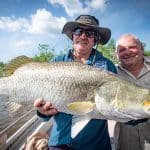
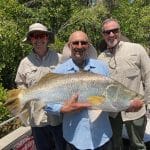
Barramundi is the headline act. Barra are the reason most people book a live aboard NT charter, and for good reason. In NT waters, they regularly exceed a metre in length and fight with the kind of aggressive, acrobatic energy that makes experienced anglers nervous. According to the NT Government, barra have been recorded over 150cm and 45kg, and their readiness to smash surface lures is a big part of the appeal. For complete context on what else swims near Darwin, this guide to fishing near Darwin covers the full picture.
Secondary inshore species keep things interesting. On the remote coastal systems live aboard charters access, you will also encounter:
- Jewfish (mulloway): powerful bottom-dwellers with a stubborn, dogged fight
- Golden snapper: hard-pulling reef fish that test your drag on the way up
- Queenfish: fast, acrobatic surface feeders that regularly go airborne
- Trevally: aggressive hunters that hit hard and run fast
Offshore, the species list opens up considerably. During Dry Season deep-water runs, Spanish mackerel, coral trout, sailfish, and marlin all become realistic targets, giving variety-seekers plenty to aim for beyond barra.
Manage your expectations sensibly. But tidal timing, water temperature, technique, and conditions all influence results. NT fishing is not a guarantee; it is a significant advantage.
Catch-and-release matters here. Most NT operators encourage releasing large breeding-size barra and keeping only what will be eaten. Tagging studies show recreational and commercial fishing combined account for less than 5% of barramundi removed from a river system each year, and the aim is to keep it that way.
Guide knowledge closes the gap. Experienced operators read tidal movements and structure in ways that consistently translate into more fish for clients, regardless of whether you have fished before.
Where Do Live Aboard Charters Fish?
Knowing where a live aboard charter takes you is just as important as knowing what you’ll catch. These locations are not interchangeable, and the best operators fish several of them across a single trip.
- Dundee Beach sits 165km southwest of Darwin and serves as the primary base for mothership operations. The coastal systems here are simply beyond the practical range of day boats running out of Darwin’s marinas, which is exactly the point.
- Bynoe Harbour is a sprawling, shallow tidal estuary laced with creek networks and channels that hold large barramundi. Navigating it safely requires local knowledge and a vessel built for the conditions; it is not somewhere you blunder into successfully.
- Shady Camp is where many anglers consider the barra fishing experience to peak. During the run-off, fish crash lures across shallow floodplains in clear water. If you want visual, heart-rate-raising barra action, this is the destination. If you’re still building your knowledge of NT barra fishing, the essentials of barra fishing around Darwin are worth reading before your trip.
- Corroboree Billabong and Kakadu add a different dimension entirely. The freshwater and estuarine systems within or adjacent to Kakadu National Park sit inside one of Australia’s most significant wilderness and cultural landscapes. Catching barra here feels genuinely unlike anywhere else.
- Daly River sits south of Darwin and carries serious reputation among NT anglers. Both boat-based and bank fishing are possible along this remote river system, and the barra it holds are the reason it keeps coming up in every serious conversation about Top End fishing.
- Arnhem Land is the premium option. Access requires permits held only by approved operators, and the result is vast, undisturbed estuaries and waterways that see minimal recreational fishing pressure. This is as remote and untouched as Australian fishing gets.
What the Mothership Is Actually Like: Accommodation and Comfort
Knowing where the mothership takes you is one thing. Knowing what life on board actually looks like is another, and it’s worth setting realistic expectations before you step off the dock.
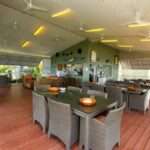
Sleeping arrangements vary by vessel, but most NT motherships offer bunk-style cabins, either shared or private depending on the package. Most NT motherships include air conditioning given the tropical climate, confirm this with your specific operator. Some vessels include ensuite options for premium bookings; others use shared bathroom facilities. Confirm the cabin configuration when you book, not after.
Many live aboard packages are fully all-inclusive covering meals and guiding, verify exactly what is included when you book. Breakfast goes down before the morning session, lunch is served on the water or back on the mothership, and dinner is a proper sit-down meal each evening. Nobody goes hungry.
Bathrooms and showers are functional, not fancy. They do the job after a long day in the heat and salt. Hot water availability does vary between vessels, so if that matters to you, ask specifically at booking rather than assuming.
Connectivity is minimal, and that is the point. Fishing in Arnhem Land or out on Bynoe Harbour puts you well beyond mobile range. Operators are required to carry appropriate safety communication equipment for remote operations, but your phone becomes a camera for the week. Most guests find the digital detox is one of the unexpected highlights of the trip.
If you want more space and comfort with your fishing, a land-based Darwin fishing lodge is the alternative. It offers a more relaxed base, but you trade proximity to the grounds.
The guests who love live aboard fishing most are those who come for the fishing, not the facilities. If that sounds like you, you can read more about what the Top End’s fishing has to offer before you lock in dates.
What to Pack: The Live Aboard Fishing Checklist
Now you know what to expect on board, it’s time to sort out what to bring. Packing smart for a live aboard makes a real difference to your comfort over a multi-night trip.
Fishing gear
Most NT live aboard operators supply rods, reels, lures, and terminal tackle as part of the package. Confirm the specifics with your operator before loading up a rod tube. That said, if you have favourite lures or a light spinning setup you fish confidently, bring them. Guides appreciate guests who arrive with personal preferences rather than opinions.
Clothing for the Top End
- Lightweight, long-sleeve UPF-rated shirts (2 to 3) for full days under a harsh tropical sun
- A light rain layer for early morning starts and any wet season fringe trips
- Non-marking, soft-soled shoes for the vessel deck
Skip heavy cotton. It holds heat and takes forever to dry.
Sun, heat and health
The Top End will punish under-prepared guests. Bring SPF 50+ sunscreen and apply it generously before you leave the cabin. A wide-brim hat, polarised sunglasses (essential for reading the water and spotting barra), and electrolyte supplements round out your kit. Humidity is high even in the Dry Season, and dehydration sneaks up quickly on active anglers.
Seasickness
The NT coast is generally calm during Dry Season, but offshore runs can produce a moderate swell. If you’re susceptible, take a non-drowsy motion sickness tablet the night before departure rather than the morning of.
Documentation
The NT Government does not require a recreational fishing licence for recreational anglers, but regulations are updated periodically. International visitors should check current NT Government requirements before departure. If you’re still working out the basics of planning a barra trip, this guide to barramundi fishing charters in Darwin covers what to expect before you book.
What to leave behind
Hard-sided suitcases waste precious cabin space. Pack a soft duffel of around 15 to 20 litres, it is genuinely enough for a multi-night trip.
What Skill Level Do You Need?
Once you’ve sorted your gear and packed your kit, the next question most people ask is the honest one: do I actually know enough to do this?
The short answer is yes, regardless of your experience level.
NT live aboard charters are genuinely beginner-friendly. As covered earlier, guides manage all the technical elements, here’s what that means in practice for different experience levels.
For First-Timers and Beginners
Fish The Top End actively caters to group bookings for birthdays, anniversaries, and corporate experiences, which tells you something practical: a meaningful share of guests on these trips have never held a fishing rod in their lives. If that’s you, you’re in good company.
Physical Fitness Expectations
You don’t need to be especially fit, but a full day on the water does involve standing on a moving deck and casting repeatedly for extended periods. Reasonable upper body endurance helps. If you have specific mobility limitations, contact the operator before booking to discuss what’s practical on the vessel.
What Your Guide Expects From You
Attentiveness and a willingness to follow instruction. When the guide says cast now, cast. When they say hold, hold. Tidal windows are short and fish are often holding tight to specific structure. Following direction closely is what separates a big day from a quiet one.
For Experienced Anglers
Bring your own preferred lures and soft plastics, talk through techniques with your guide before you head out, and ask specifically to target secondary species like queenfish or Spanish mackerel, or to fish particular structures. Guides genuinely welcome that conversation.
If you’re weighing up destinations before booking, it’s worth reading how the Northern Territory compares to Cairns across species, remote access, and overall value before you commit.
Safety, Wildlife and Cultural Awareness in NT Waters
Beyond skill level, there are a few non-negotiable safety and awareness matters every guest needs to understand before stepping onto the water in the NT.
Saltwater crocodiles are present in virtually every tidal river, estuary, and billabong system that live aboard charters fish. This is not a dramatic warning, it is simply the reality of Top End waterways. Licensed operators run strict protocols: no swimming, no trailing hands over the side, and designated safe zones around the vessel at all times. Your guide will cover all of this in a formal briefing before fishing begins. Take it seriously regardless of how many times you have heard crocodile warnings before.
Kakadu and Arnhem Land are not just fishing locations, they are culturally significant country. Operators with Arnhem Land permits, including Fish The Top End, operate under conditions that require respectful conduct from all guests. That means following your guide’s instructions on where to go, what not to touch, and how to behave on and near country. It is a genuine privilege to fish these areas and conduct matters.
All commercial NT charter operators must hold current AMSA (Australian Maritime Safety Authority) certification, carry required safety equipment, and maintain communication protocols suited to remote operations. When you are anchored in Bynoe Harbour or fishing a remote Arnhem Land estuary, you are genuinely far from help, and these standards exist for good reason. Confirming your operator’s AMSA compliance before booking is a reasonable and sensible step.
Heat is a real hazard, even in the Dry Season. Temperatures on the water regularly exceed 30 degrees Celsius with high humidity. Experienced guides actively manage hydration throughout the day, staying on top of sun protection and water intake is equally your responsibility on the water.
The wildlife you will encounter beyond crocodiles is genuinely extraordinary. Sea eagles, jabiru storks, dolphins, and dugongs are regular companions on NT fishing systems.
How Much Does It Cost and Is It Worth It?
Once you’ve got your head around the safety side of things, the next logical question is simple: what does all of this actually cost?
NT charter pricing runs across a wide spectrum. Multi-day private charters are available from around USD $864, with prices varying by operator and itinerary. Live aboard mothership packages, such as Fish The Top End’s 5-day/6-night offering, are priced at $6,765 per person.
That live aboard price covers a lot. You’re paying for all accommodation on the vessel, every meal across the trip, professional guiding for each session, vessel use, and access to remote locations that require specialist permits and years of local knowledge to reach. Nothing meaningful is left to organise separately.
Compare that to going it alone. Reaching Dundee Beach means a 165km drive on mixed road surfaces, then sourcing local boat hire, accommodation, meals, and your own fishing intelligence from scratch. The all-inclusive package removes every one of those logistical headaches at a single price.
The $6,765 figure is buying something fundamentally different to a shorter day charter. A day trip from Darwin Harbour gets you on the water for a few hours on accessible, pressured ground. The live aboard price buys five days on unfished systems across Arnhem Land, Bynoe Harbour, and remote barra country that no day tripper reaches. These are not the same product.
The worth-it calculation is straightforward for the right angler. If catching a metre-plus barra in Arnhem Land or fishing Shady Camp during the run-off is genuinely on your bucket list, a once-in-a-decade all-inclusive trip at $6,765 stacks up well against piecing together the same experience across multiple separate bookings, with no guarantee you’ll find the fish without a guide who knows where they are.
How to Book: Lead Times, Timing and Questions to Ask
Once you’ve decided the trip is worth the investment, the next step is moving fast enough to actually get on the water when you want.
Popular windows fill quickly, contact operators as early as practical, particularly for peak Dry Season dates.
Seasonal windows have their own deadlines:
- Shady Camp run-off (February to May): Confirm availability by October or November of the prior year. This window is short and heavily sought after.
- Mothership season (May to December): Book as early as possible. The earlier months in particular fill quickly once the previous season wraps up.
Questions worth asking before you commit:
- What is included in the package price, and what is excluded?
- What is the cancellation and rebooking policy if weather delays the trip?
- What is the guide-to-angler ratio and maximum group size?
- Which species are most active in your travel window?
- Does the operator hold current Arnhem Land or Kakadu access permits?
What to verify independently:
- Current AMSA vessel certification
- Public liability insurance (NT regulations require a minimum of $10 million third-party cover)
- Guide qualifications and domestic Certificates of Competency
- Whether the itinerary is flexible based on conditions, or fixed regardless
Group and milestone trips suit live aboard charters particularly well. Fish The Top End structures corporate and mixed-ability group itineraries around specific outcomes, so it is worth discussing your group’s goals upfront rather than booking a standard package and adapting later.
Get in touch with our team to discuss packages and availability.
Is a Live Aboard NT Fishing Charter Right for You?
Once you’ve worked through the booking logistics, the final question is a simple one: is this trip for you?
If you want access to fishing grounds that most anglers will never reach, professional guides who’ve spent decades reading NT tides and structure, and a format where everything is handled, then yes, a live aboard charter delivers all of that in one package.
The format suits a wider range of guests than most people expect:
- Beginners get expert instruction on every session, with guides handling rigging, location selection, and technique coaching throughout
- Experienced anglers get access to unpressured systems that day charters simply cannot reach
- Groups and milestone travellers get a shared experience in a genuinely extraordinary setting, whether that’s a birthday, a corporate trip, or a long-overdue bucket-list adventure
The practical next step is straightforward. Check whether the February to May run-off or the May to December dry season fits your calendar, then contact an operator well ahead of your preferred dates. Popular windows book out early.
Fish The Top End is an established NT operator running live aboard charters out of Darwin and Dundee Beach, with permitted access to Arnhem Land, Dundee Beach, and Kakadu fishing systems. Get in touch with our team to discuss dates and group sizes.
Conclusion
A live aboard fishing charter in the Northern Territory is not a standard fishing trip. It is access to remote, unpressured systems that day trips cannot reach, guided by professionals who know these tides, species, and structures intimately.
The key takeaways are clear: timing your trip around the dry season or run-off windows matters enormously; the all-inclusive format removes logistical friction for groups of any experience level; and the fish on offer, barramundi, threadfin salmon, queenfish, and more, represent some of the best sport fishing available anywhere in Australia.
Whether you are chasing a personal best or planning a bucket-list group adventure, the Territory rewards those who commit to the experience properly.
Start by locking in your season, then reach out to Fish The Top End early. The best dates fill fast, and the fishing is worth planning around.