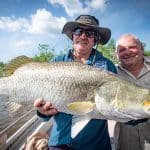
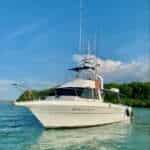
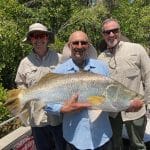
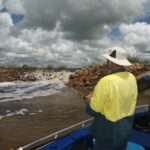
There’s a moment every Top End fisho knows well. The wet season rains ease off, the rivers run thick and heavy with floodwater, and the barramundi go absolutely feral. That window, the run-off, is widely regarded as the best time of year to chase big barra in the Northern Territory, and if you’re not already planning a trip around it, you probably should be.
Whether you’re eyeing off the tidal barrages at Shady Camp, the wild billabongs of Kakadu, or the famous stretches of the Daly River, the Top End delivers world-class barramundi fishing for anglers who know where to look and when to show up. This guide is built for fishers who already know their way around a barra rig and want to make the most of the run-off season.
We’ll walk you through the best locations, the tackle and techniques that actually work in run-off conditions, what licences and permits you’ll need, and how to put together a trip from Darwin. Let’s get into it.
Why the Run-Off Is the Best Window for Top End Barra
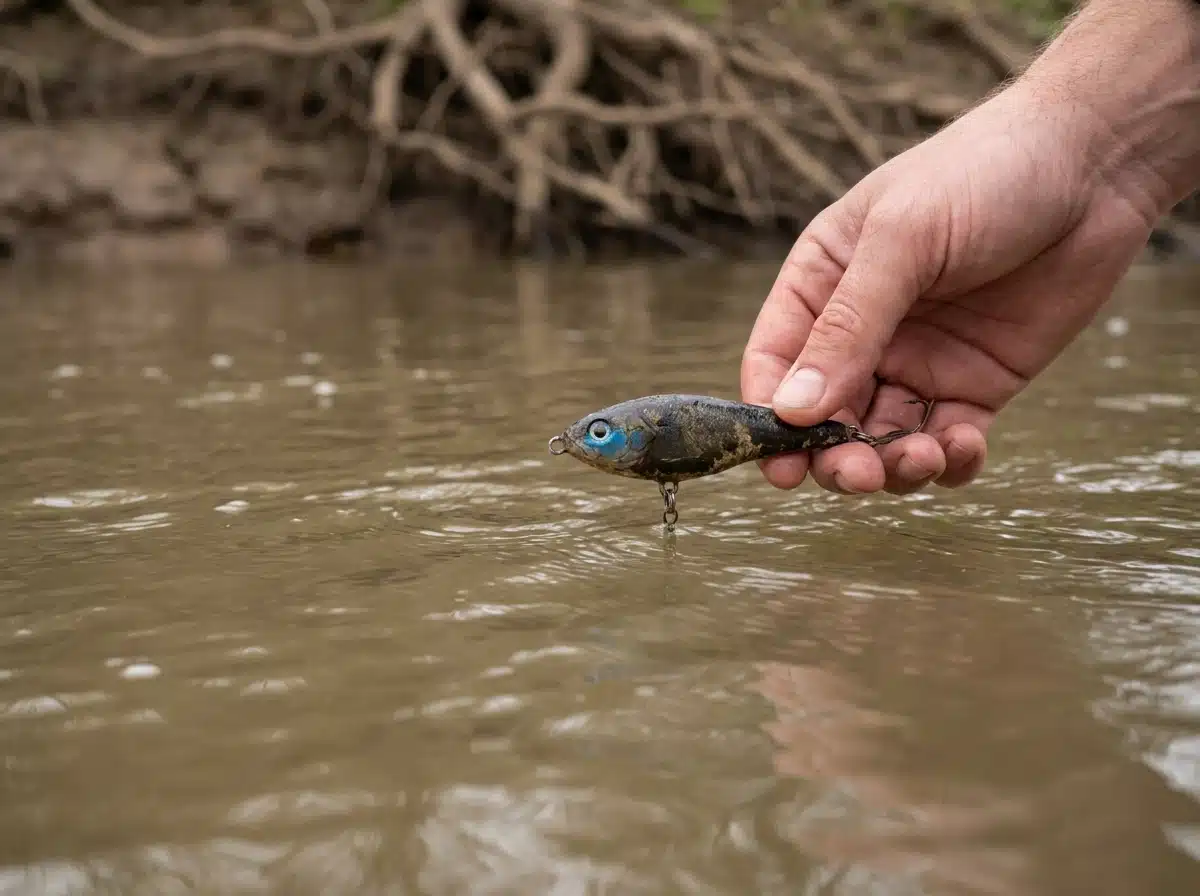
If you want to catch big barramundi in the Top End, timing is everything. The run-off is the season that consistently delivers the best results, and understanding why will help you plan a trip that actually produces fish rather than just stories.
What is the run-off? It’s the period following the wet season monsoon when floodwaters begin retreating from inundated plains back into rivers, creeks, and billabongs. Broadly speaking, that window runs from around March through to May, though the exact timing shifts year to year depending on how heavy the wet has been. As water levels drop, fish and bait that were scattered across vast flooded plains get funnelled back into defined waterways and structures, concentrating them in predictable locations that anglers can actually target.
Why barra go hard during the run-off comes down to one simple dynamic: the fish have nowhere to hide. As channels tighten, baitfish schools stack up against structure, in current seams, and at the mouths of draining billabongs. Barramundi follow the food, and with bait compressed and visibility improving as water recedes, the fish feed aggressively and are far easier to locate than at any other time of year. That makes lure and fly fishing particularly productive; you’re not hunting fish across a flooded landscape, you’re presenting a lure to fish that are already staged and feeding.
Top End Seasonal Calendar
| Season | Months | Fishing Quality |
|---|---|---|
| Wet Season | December to February | Difficult; fish dispersed across flooded plains, access limited |
| Run-Off | March to May | Excellent; fish concentrated, feeding hard, prime lure and fly window |
| Early Dry | May to July | Very good; water clearing, cooler mornings, consistent action |
| Late Dry | July to August | Good; fish deeper and slower, but large fish still available |
| Build-Up | September to November | Good; fish active with warming water temperatures, big Barra start to congregate |
Seasonal boundaries are approximate and vary year to year depending on monsoon intensity. Confirm current conditions with local operators before booking.
The NT Tourism Authority recognises the run-off as a distinct fishing season, particularly for anglers targeting trophy barra on surface lures and flies.
Practical conditions to expect during the run-off: water will still carry colour in many locations, especially early in the season. Humidity is high, temperatures sit in the low-to-mid 30s, and some access tracks remain boggy or closed after the wet. Always check road conditions before heading out, particularly for remote locations. If you’re new to planning a Top End trip, the guide to Barra Fishing Charters Darwin: What to Know Before You Book is a solid starting point before you commit to dates.
Shady Camp: Tidal Barrages and Big Barra Country
If the run-off has one marquee venue within an easy drive of Darwin, Shady Camp is it. It’s a sealed-road run to the carpark and boat ramp, comfortably accessible by two-wheel drive during the run-off. Always confirm current track conditions before you head out, as some access points around the Mary River system can stay boggy well into April.
Why the Barrage Makes All the Difference
The centrepiece is the Shady Camp tidal barrage, a high wall separating freshwater wetlands from the tidal reaches of the Mary River system. As floodwaters recede through the run-off, fish funnel through the barrage gates in numbers that would be hard to believe if the barra weren’t launching themselves out of the white water in front of you. Receding water concentrates baitfish below the structure, and the barramundi stack up right behind them in predictable holding positions. Shady Camp is world-famous for run-off barramundi fishing.
Where to Focus Your Casts
- Barrage face and outflow. Work the white water on a falling tide with 12 cm floating hard-body minnows or soft plastic paddletails. Fish sit tight to the current seams.
- Snag lines and submerged timber. The river banks hold barra between tidal movements. Cast tight to structure and keep the retrieve slow in coloured water.
- Shallow flats. These come alive in the predawn and dusk windows. Surface lures will produce here when the light is low and fish push up onto the flats to feed.
Species Beyond Barramundi
Barra get all the headlines, but Shady Camp during the run-off also produces northern saratoga and threadfin salmon. The tidal sections downstream are worth a few crab pots too; large mud crabs work the tidal flats and can turn a solid fishing day into a genuinely great feed.
Crocodile Safety is Non-Negotiable
Shady Camp holds one of the highest concentrations of saltwater crocodiles in Australia. Given the crocodile density, boat-based fishing is strongly preferred; exercise extreme caution if fishing from the bank and never wade. Large salties line the barrage walls and do not move off for anyone. Stay alert from the moment you launch to the moment you retrieve.
Kakadu: Billabongs, Floodplains, and Permit Requirements
Shady Camp keeps it relatively simple from a compliance standpoint. Kakadu is a different beast entirely, and that complexity is worth understanding before you pack the car.
Kakadu is a World Heritage-listed national park that simultaneously holds some of the most productive barramundi water in Australia. Those two facts coexist, but they come with rules. Getting across the access requirements before you launch a rod is not optional here.
Where to Fish in Kakadu During Run-Off
The park covers multiple distinct river systems, and run-off concentrates fish differently across each one:
- South Alligator River system: The most accessible and consistently productive run-off fishery within the park. Receding floodwaters push barra into the main channel and adjacent drains throughout March and April.
- Yellow Water Billabong (Ngurrungurrudjba): One of the most iconic wetlands in Australia, but access is regulated. Check current Parks Australia conditions before fishing here, as restrictions apply.
- Jim Jim Creek: Exceptional country, but seasonal access depends entirely on water levels. The creek can remain uncrossable well into April after a heavy wet. Confirm conditions before committing to the drive.
- East Alligator River near Cahill’s Crossing: Productive estuarine barramundi water with a strong tidal influence. The crossing itself has specific conditions worth verifying, and crocodile density is high throughout this system.
Licences and Compliance in the Park
Unlike most Australian states, the Northern Territory does not require a standard recreational fishing licence for general NT waters, but anglers fishing intertidal zones overlying Aboriginal land must register through the Northern Land Council (mandatory since 1 March 2021). Check current registration requirements with the Northern Land Council before visiting Kakadu or the Daly River. Inside the park boundaries, you also need to comply with Parks Australia regulations, which include designated fishing zones and prohibited areas around sacred sites. These are not suggestions. Fishing in a prohibited zone carries real consequences, and the boundaries are not always obvious on the water.
Charter vs. Going It Alone
The drive from Darwin to key Kakadu access points typically takes the better part of a day, confirm current road conditions and plan accordingly. A guided day-trip charter simplifies the whole exercise: local knowledge, pre-rigged gear, and a guide who already knows which zones are fishable and which are off limits. Self-guided anglers can absolutely make it work, but you need to research current access, carry full safety gear, and manage crocodile risk without backup.
For anglers newer to the Top End, the FishTheTopEnd.com blog has useful pre-trip reading across multiple NT destinations.
The Run-Off Advantage Here Is Real
During the dry season, Kakadu’s floodplains are largely inaccessible and fish are dispersed. The run-off changes everything. Drainage channels across the floodplain funnel receding water back into the main river systems, and barramundi stack in those convergence points in numbers that simply do not exist at any other time of year. It is a genuinely narrow window, and anglers who time it correctly fish water that most visitors never see in that condition.
Daly River: The Barra Capital of the Northern Territory
If Kakadu earns its reputation on atmosphere and diversity, the Daly River earns its on pure barra credentials. Ask serious anglers across the Top End where they’d spend their one run-off trip if forced to choose, and the Daly comes up more often than anywhere else. The Daly River township is a half-day drive south of Darwin, verify the current route via NT Roads or Google Maps before departure. The area has built an entire fishing tourism ecosystem around the river, with boat ramps, fuel, basic supplies, and lodge accommodation all within reach. It’s a dedicated barra destination in a way few NT locations can match.
What the River Does During Run-Off
Early in the season, March and April, the Daly carries heavy floodwater colour, rolling through with that characteristic tannin stain. Fishing is still productive during this window using reaction-based techniques; noisy surface lures and hard-vibrating bibless minnows work well when visibility is low. By May, the river typically clears to fishable visibility, and that transition is genuinely special. You can suddenly sight-cast to fish holding on structure, switch between lure styles based on what the water is doing, and read the river in a way that simply isn’t possible earlier in the season.
Day Trip or Multi-Day Stay?
A day trip to the Daly is technically doable but barely worth it. You’ll spend the better part of a day driving for a handful of hours on the water. Multi-day stays, minimum two nights but ideally three, are what the Daly genuinely rewards. FishTheTopEnd.com’s Daly River trips package accommodation, guided access, and local knowledge, which makes a measurable difference to catch outcomes when you’re fishing unfamiliar water. A guide who knows which snag lines are holding fish this week beats a map and optimism every time.
What Sets the Daly Apart
Three things distinguish the Daly from Shady Camp and Kakadu:
- Fish size. The Daly has a long-standing reputation among Top End guides for producing larger fish, with metre-plus barramundi a realistic target during the run-off.
- Species variety in the tidal reaches. Threadfin salmon share the lower tidal sections with barra, and the NT Government’s Daly River Fish Management Zone imposes a 90 cm maximum size limit on barramundi there, a restriction that signals just how significant this fishery is.
- Technical structure fishing. The mid-river snag country demands accurate casting. Anglers who can place a lure tight to submerged timber without hanging up get disproportionately rewarded. It’s the kind of fishing that genuinely improves your skills alongside your catch rate.
Tackle and Techniques Built for Run-Off Conditions
Whether you’re heading to Shady Camp or putting in a multi-day session on the Daly, the right gear makes the difference between a frustrating trip and a genuinely productive one. Run-off conditions demand specific setups that dry-season anglers often aren’t prepared for.
Rods, Reels, and Line
A medium-heavy baitcast or spin outfit is the go-to for run-off barra. Most experienced run-off barra anglers favour heavier braid and a long fluorocarbon leader, match your braid and leader to the snag density and fish size expected, as heavier leaders pay off in timber-heavy water. Strong, short-shank hooks and split rings rated for big fish complete the rig.
Lures for Coloured Water
Run-off water often carries colour, so lure selection shifts toward things fish can find by feel and vibration as much as sight.
- Surface lures (poppers and walk-the-dog stickbaits): most effective during the low-light windows at dawn and dusk when barra push onto shallow flats
- Bibless minnows worked with a slow, erratic retrieve: excellent for mid-water column presentations along channel edges
- Heavy vibe lures: the go-to for deeper structure; they generate strong vibration that triggers fish holding in murky water and cut through current without losing depth
Technique Adjustments for the Run-Off
The single biggest mistake anglers make in run-off conditions is fishing at dry-season speed. Slow everything down. Lower water clarity means barra need more time to locate and commit to a lure. Target current seams and eddies where receding floodwaters push bait into concentrated pockets. The last two hours of the run-out tide are consistently the most productive window, with fish holding tight to structure as flow drops away.
Livebait and Natural Bait
Mullet, cherabin, and poddy mullet are all highly effective run-off baits, and importantly, they’re easier to source early in the season before dry-season fishing pressure tightens supply. For structure fishing, rig livies on a running sinker with enough weight to hold bottom in current, keeping the bait close to snags without burying the hook.
Safety Checklist for Remote Run-Off Fishing
Remote river country during the run-off demands preparation. Before you launch, it is strongly advisable to carry:
- VHF radio or EPIRB for remote waterways where mobile coverage is non-existent
- First-aid kit with tourniquet and pressure bandages as minimum
- High-SPF sun protection rated for humid, tropical conditions
- Heavy-duty insect repellent because mosquitoes remain intense during the build-up transition
If you’re planning a Darwin-based trip and want a head start on what gear you’ll actually need, our guide to fishing near Darwin covers what’s on your doorstep across different water types and trip formats.
NT Fishing Licences, Catch Limits, and Kakadu Regulations
Getting your compliance sorted before you launch is just as important as getting your tackle right. Here is what every angler needs to know before fishing the Top End.
Recreational Fishing Licences
Unlike most Australian states, the Northern Territory does not require a standard recreational fishing licence for general NT waters. However, that changes when you are fishing intertidal zones overlying Aboriginal land. Since 1 March 2021, recreational fishers must register through the Northern Land Council to access those waters, and this registration requirement directly affects the Daly River and parts of the Kakadu region. Check current registration conditions before your trip, as access agreements are still evolving.
International visitors should note there is no reciprocal licence arrangement between the NT and any overseas jurisdiction. Your home country licence counts for nothing here.
Barramundi Bag and Size Limits
The default NT limit is 5 barramundi per person per day, with a 55 cm minimum length. But three locations operate under tighter rules: Kakadu National Park, the Mary River Fish Management Zone, and the Daly River Fish Management Zone all reduce the bag limit to 3 barramundi per person, add a 90 cm maximum size limit, and cap the vessel at one fish over 90 cm. These slot and bag rules are designed to protect large breeding females, so they are worth respecting beyond the legal obligation.
Always verify limits against the current NT Recreational Fishing Guide before departure, as rules can be updated between seasons.
Kakadu-Specific Fishing Rules
Inside Kakadu National Park, fishing is permitted only in designated areas, and specific rules apply to gear and fish handling, confirm current requirements with Parks Australia before visiting. The East Alligator River near Cahill’s Crossing has additional conditions worth confirming directly with Parks Australia before you head out, given its proximity to cultural heritage sites.
Crocodiles: a Legal Matter, Not Just a Safety One
Harassing, feeding, or interfering with saltwater crocodiles carries serious legal consequences under NT law. Problem crocodiles must be reported to NT authorities rather than approached. Fish cleaning waste disposed carelessly near water is both an attractant and a compliance issue.
Charter Trips Simplify the Compliance Load
Guided charters through operators like FishTheTopEnd.com handle access registration, keep guests across current bag limits, and manage crocodile safety protocols as part of the guided experience, removing a significant layer of pre-trip research for visiting anglers.
How to Plan a Run-Off Barra Trip from Darwin
With licences sorted, the next step is building a trip that actually gets you on the water at the right time.
Darwin is your natural base. All three destinations sit within a day’s drive, and the city has the gear shops, fuel, and accommodation infrastructure to support a run-off trip properly. Shady Camp is the closest of the three, accessible within a morning from Darwin; Kakadu’s key access points require a longer drive; and the Daly River is best treated as a destination requiring an overnight commitment. Confirm current drive times and road conditions via NT Roads before departure. Roads to all three are generally accessible by two-wheel drive during the run-off, but check conditions before departure as late-season rain events can close dirt sections at short notice.
Match your itinerary to the destination
Shady Camp suits a day trip from Darwin. Leave before first light, fish the morning tide window, and you’re back in Darwin by early afternoon. Straightforward and effective.
Kakadu is manageable as a long day trip but genuinely benefits from an overnight stay. The drive eats into your prime fishing time, and the billabong and floodplain systems reward anglers who can fish two consecutive morning sessions.
Daly River is worth a minimum of two to three nights. The drive alone makes a day trip inefficient, and the quality of the fishing once you’re on the water justifies the commitment. Anglers who arrive, fish one session, and leave are consistently under-rewarded compared to those who stay long enough to read the river properly.
Accommodation by destination
Darwin fishing lodges make obvious sense for Shady Camp day trippers, with early morning departures easy to manage from the city. For Kakadu, park accommodation and nearby station stays put you close to the water. For the Daly River, lodge-based options are the most practical, and a guided Daly River package that bundles accommodation, guided fishing, and meals removes considerable logistical friction.
Don’t want to self-drive?
Guided charters from Darwin handle transport, gear, and access permits end-to-end. If you don’t have your own boat or a four-wheel drive set up for remote fishing, a charter is the practical call rather than the premium option. FishTheTopEnd.com runs run-off barramundi charters covering day trips and multi-day packages across all three destinations.
Monitor conditions before you commit
Check the Bureau of Meteorology NT river height data regularly from at least two weeks out. Online fishing forums and social media groups focused on NT fishing can carry real-time angler observations on water colour and fish activity. Build flexibility into your dates if you can. Hitting the recession window when water levels are falling rather than flooding makes a measurable difference to your results.
Fish the Run-Off with FishTheTopEnd.com
Once you’ve locked in your dates and destinations, FishTheTopEnd.com’s Darwin fishing charters cover the full run-off menu:
- Day trips from Darwin into Shady Camp and Kakadu for anglers who want to fish hard and be back in Darwin that evening
- Multi-day Daly River lodge packages combining guided fishing, accommodation, and meals for anglers who want to commit properly to the river
- Liveaboard mothership trips for those wanting to cover multiple Top End waterways across a single expedition without repositioning each day
Why guided beats independent during the run-off
Run-off conditions change fast. Water levels, fish locations, and access tracks that were fishable last week may be completely different today. A guide with current, boots-on-the-ground knowledge eliminates that guesswork.
Practically, a guided charter also means:
- All rods, reels, and terminal tackle are provided
- Access registration and current bag limit compliance are handled
- Crocodile safety management is the guide’s responsibility, not yours, in one of Australia’s highest-density saltwater croc environments
Which trip suits you
First-time NT visitors get the most value from a fully guided package. Navigation, compliance, safety, and fish-finding are all managed, so the focus stays entirely on fishing.
Experienced Top End anglers who know the country may prefer a guided day trip for the local run-off knowledge while self-managing their own accommodation and transport. Either way, the guide’s read on current water conditions is worth the investment regardless of experience level.
Make the Run-Off Count
As water recedes and barra stack into predictable structure, the window is on, and then it closes. Each destination in this guide plays a distinct role, covered in full in the location sections above.
Your Pre-Trip Checklist
Three things to do before you leave home:
- Check your Aboriginal land access registration. There is no standard NT recreational fishing licence, but if your trip covers the Daly River or parts of Kakadu, you may need to register through the Northern Land Council for intertidal waters. Confirm current requirements at nt.gov.au/marine/fishing-on-aboriginal-land before departure.
- Check road and water conditions. Monitor Bureau of Meteorology NT river height data and NT road condition reports in the two weeks leading up to your trip. Run-off timing shifts year to year and access tracks can remain boggy well into April.
- Book your dates early. Peak run-off dates fill quickly. Contact FishTheTopEnd.com to lock in your preferred window before it goes.
There is no overstating what the Top End offers during this season. Barramundi on surface lures at first light, crocodiles on the banks, and floodplains still alive with birdlife and baitfish. As a combined freshwater and estuarine fishing experience, it genuinely sits among the best available anywhere in the world.
The difference between a good trip and an exceptional one comes down to preparation. Plan the season, pick the right locations, and get on the water while the run-off is doing its work.
Conclusion
The run-off is short, the fish are there, and the best dates go fast.
Visit FishTheTopEnd.com to plan your run-off barra adventure with guides who know these systems intimately. The fish are there, the season is coming, and a genuinely world-class barramundi experience is yours if you move now.