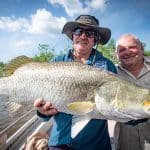
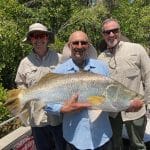
There are fishing destinations, and then there is the Northern Territory. Few places on earth can match the raw, untamed experience of casting a line across a Top End billabong at sunrise or fighting a metre-long barramundi in the tidal creeks of Dundee Beach. If you have been dreaming about a serious fishing trip in Australia, the NT should be sitting at the very top of your list.
But planning a fishing stay up here is a little different from booking a standard holiday. Between remote Arnhem Land camps, live-aboard motherships, Daly River barramundi lodges, and Darwin-based operations, the options are genuinely diverse. Knowing which style of accommodation suits your fishing goals, your budget, and your experience level makes all the difference.
That is exactly what this guide covers. We will walk you through every major fishing region and accommodation type across the Top End, break down the best seasons and species, explain permits and croc safety, and give you a practical framework for choosing the right lodge or camp for your trip. Let’s get into it.
Types of Fishing Accommodation in the Northern Territory
Not all NT fishing trips look the same, and the accommodation you choose shapes the entire experience. Here’s a quick breakdown of the five main options you’ll encounter when planning a Top End fishing trip.
Darwin-based fishing lodges are the practical starting point for many visitors. You get city amenities, easy airport transfers, and direct charter access to Darwin Harbour, Dundee Beach, and Bynoe Harbour without burning half your trip on travel logistics. They suit anglers who want to combine fishing with other NT experiences, or anyone making their first trip to the Top End.
Remote wilderness camps sit at the opposite end of the spectrum. Most are fly-in or require serious 4WD access, but that effort buys you exclusive water across Arnhem Land, Kakadu, and the Daly River system. These camps are purpose-built for anglers who want nothing between them and the fishing, with minimal outside pressure on the water.
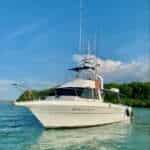
Live-aboard mothership boats are the most operationally flexible option available. You sleep, eat, and fish from the same vessel, which repositions overnight between locations. A single trip can cover Dundee Beach, Bynoe Harbour, and offshore Darwin waters in sequence, giving you far more ground than any lodge-based itinerary can match.
River camps along the Daly River are their own distinct category. The Daly is Australia’s most celebrated barramundi river, and the camps here are built specifically for anglers who want extended sessions on a flowing estuarine system rather than tidal flats or offshore reef. Expect cabins, catering, and guided boat fishing as standard.
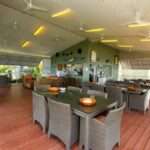
Wilderness retreats and safari-style camps sit between remote and comfortable. Permanent structures, hot showers, and proper meals are on offer, but the fishing grounds outside the door are as wild as anything in the NT. Guided fishing is typically included in the package, making them a strong choice for anglers who want the remote experience without the self-sufficient logistics.
Dundee Beach: Saltwater Fishing at Its Finest
Of all the locations within reach of Darwin, Dundee Beach punches hardest for effort-to-reward ratio. A short drive southwest of Darwin, this stretch of coastline delivers some of the most consistent saltwater action in the entire Top End, with tidal flats and creek mouths holding solid barramundi and threadfin salmon year-round.
What You’ll Catch
The target list here is genuinely impressive. Barramundi and threadfin salmon are the drawcards, but golden snapper and queenfish show up regularly across the coastal flats, particularly during run-out tide windows when baitfish get pushed off the edges. Timing your session around the falling tide is not just helpful, it is the difference between a quiet morning and a red-hot session.
Where to Stay
Accommodation at Dundee Beach covers a reasonable spread. Basic beachfront camps suit self-sufficient anglers who want to manage their own program, while more established options with powered sites cater to those after a bit more comfort. Neither category is a luxury resort, so set expectations accordingly. The appeal is proximity to the water and the fishing, not the room.
Best Time to Go
The dry season, May through October, is when Dundee Beach performs most reliably. Clear water and predictable tidal patterns make reading the flats significantly easier, and fish behaviour becomes more structured and easier to intercept. It is also just far more comfortable to be outdoors during these months.
Why Local Knowledge Matters
Self-guided visitors can absolutely fish Dundee Beach, but most take several trips before they start connecting with the better creek systems at the right stages of tide. If you want to compress that learning curve, Fish the Top End’s local guide to the best fishing spots near Darwin is a solid starting point, and their guided charters to Dundee Beach put you onto productive water from session one.
Daly River Camps: The Barramundi River of the Top End
If Dundee Beach is the Top End’s saltwater showcase, the Daly River is its freshwater crown jewel. Situated roughly 220 km southwest of Darwin, the Daly is widely regarded as Australia’s premier barramundi river, drawing dedicated anglers from across the country and internationally every dry season. Large barramundi are the primary draw, with the river’s reputation built on decades of quality barra fishing. If your entire trip is built around chasing big barra, the Daly River deserves serious consideration. For context on what to expect from Top End barra fishing more broadly, this guide to barra fishing out of Darwin covers the essentials before you commit to a remote river camp.
The Daly also offers genuine species variety beyond barramundi. The upper reaches hold sooty grunter, mangrove jack, and saratoga, giving freshwater anglers a full dance card across a single river system without needing to relocate.
Permanent fishing camps along the river are set up specifically for this kind of trip. Most offer guided boat fishing, cabin or ensuite accommodation, and full catering, which makes them as close to a turnkey barramundi experience as you will find anywhere in the NT. You show up, fish hard, eat well, and leave the logistics to people who know the water.
Access to the main township is straightforward via sealed road from the Stuart Highway, but more remote sections of the river require a capable 4WD or boat access. Some premium camp locations are only reachable by guided transfer.
Timing matters. Most Daly River camps operate from approximately April through to October or November. The wet season brings flooding and elevated crocodile activity that makes safe operation impossible, so operators close for several months each year. Book early for peak dry season availability.
Arnhem Land Remote Camps: Exclusive Access to Untouched Waters
If the Daly River is the most accessible barramundi fishery in the NT, Arnhem Land is its remote counterpart, and the contrast is significant.
Covering an enormous area of the NT’s northeast, Arnhem Land is Aboriginal-owned country with river systems, coastal estuaries, and billabongs that receive a fraction of the fishing pressure found anywhere else in Australia. That limited pressure produces something genuinely rare: large barramundi that haven’t seen many lures, holding in high numbers across remote water that looks exactly as it did thousands of years ago.
Access is tightly controlled by design. Entry requires an Aboriginal Land Permit issued by the Northern Land Council, and these must be arranged before you travel. Most remote camps bundle permit acquisition into their packages because the logistics of independent access are genuinely complex. This isn’t a barrier so much as the reason these fisheries remain in the condition they’re in.
Fly-in camp packages are the standard format, and they’re priced accordingly. A typical package covers return flights from Darwin, accommodation, all meals, guided fishing, and permits, with trips typically running for multiple nights. These sit at the upper end of the NT fishing market, but the cost reflects exclusive access to water that simply isn’t available any other way.
The fishing itself justifies the investment for serious anglers. Remote billabongs and river mouths hold barra that have encountered little historical angling pressure, which shows in both fish size and aggression. Casting into a system where a metre-plus fish might not have seen a lure before is a different experience altogether.
Beyond the fishing, Arnhem Land carries genuine cultural weight. Yol?u culture here has deep and continuous roots, and many camps incorporate guided cultural experiences alongside time on the water. For anglers wanting more than a fish count, that dimension makes the trip something worth talking about long after they’re home.
For a broader picture of what’s available across the region, our guide to fishing charters in the Northern Territory: Darwin, Dundee Beach and beyond covers the full range of Top End options worth considering.
Bynoe Harbour: Darwin’s Backyard Saltwater Fishery
Not every Top End fishing trip needs a fly-in permit and a week in the wilderness. Bynoe Harbour sits approximately an hour to 90 minutes’ drive south of Darwin and delivers world-class barramundi fishing within easy reach of a Darwin hotel room.
The harbour system is a maze of tidal creeks, mangrove-lined channels, and shallow sandy flats. Barramundi, threadfin salmon, and mangrove jack are the primary targets throughout the dry season, with the flats producing consistent action when conditions align. What Bynoe lacks in lodge infrastructure, it more than makes up for in raw fishery quality.
Accommodation is limited here. Unlike Dundee Beach or the Daly River, Bynoe Harbour has no established fishing lodge network, which means it functions almost entirely as a day-trip or charter fishery rather than a multi-night base. That is not a drawback if you are already staying in Darwin; it simply shapes how you approach the trip.
The key to fishing Bynoe Harbour well is understanding the tide. The most productive windows consistently fall around the tide change, particularly at creek mouths and rocky points where baitfish get pushed and predators hold waiting. Anglers who time their sessions around the tide typically outfish those who simply arrive and start casting.
Darwin-based guided charters regularly include Bynoe Harbour within multi-day itineraries, pairing it with Dundee Beach fishing charters or offshore Darwin sessions to give visitors a genuine cross-section of Top End fishing environments in a single trip. That combination approach is one of the smarter ways to experience the region because it covers saltwater estuary, open coast, and harbour fishing across just a few days.
For anyone based in Darwin, Bynoe Harbour is arguably the most convenient world-class barramundi fishery in Australia. Charter boats depart at manageable morning times, and you are back in Darwin for dinner.
Kakadu and Corroboree Billabong: Fishing Inside a World Heritage Area
Stepping inland from the harbour systems brings you into entirely different fishing territory. Kakadu National Park covers over 19,000 square kilometres and holds dual World Heritage listing for both its natural and cultural values, making it one of the most significant landscapes on the planet. Within that protected area, designated fishing zones along the South Alligator River and its associated billabongs offer barramundi fishing in a setting that genuinely defies description.
Corroboree Billabong sits in the Mary River wetlands and holds a healthy barramundi population surrounded by lily-covered flats and dense bird life. The combination makes it unlike any other fishery in the country. Our barramundi fishing tour to Corroboree Billabong gives guided access to this water with local knowledge built across many seasons.
Fishing in Kakadu is not simply a matter of turning up with a rod. Park regulations specify designated fishing zones, enforce species restrictions and bag limits, and require boat permits for certain areas. Some sections are only legally accessible via permitted guided operators. Ignoring those requirements carries real fines, so understanding the rules before you arrive is not optional.
Accommodation options range from Parks Australia campgrounds through to safari lodges and resort-style properties, with the better fishing-focused stays clustered near the South Alligator River floodplains. The proximity to productive water matters as much as the comfort level of the bed.
What separates Kakadu from every other location in this list is the sheer density of experiences packed into a single trip. Barramundi on the bite at dawn, saltwater crocodiles basking on the bank between sessions, and Aboriginal rock art sites dating back thousands of years all within the same day’s range. For visiting tourists who want more than a single-focus fishing camp, and for dedicated anglers happy to mix culture with catching, Kakadu earns its place on any Top End itinerary.
Darwin-Based Lodges and Live-Aboard Motherships
If Kakadu suits the visitor who wants fishing wrapped around a broader NT experience, Darwin as a base serves a different purpose entirely: it keeps your options open.
Darwin-based hotels and resorts give mixed groups real flexibility. Non-fishing members have the city, markets, and museums on their doorstep while anglers head out on day charters each morning. It’s a practical split that works well for families or anyone bolting a fishing trip onto a broader Northern Territory holiday. For a full picture of what Darwin’s waters offer before you book, the Fishing Darwin NT: Species, Seasons, Locations and Charter Guide covers species, seasons, and how charters are structured.
Live-Aboard Motherships: The Most Flexible Option in the NT
For serious anglers, the live-aboard mothership is in a category of its own. The vessel becomes your accommodation, your kitchen, and your fishing platform simultaneously. While you sleep, it repositions overnight to a new location, so by dawn you’re already rigged and fishing water that day-trippers from Darwin can’t reach in any practical timeframe.
Fish the Top End operates mothership live-aboard packages that combine multiple Top End locations in a single trip. Dundee Beach, Bynoe Harbour, and offshore Darwin are all accessible within one itinerary, with accommodation, meals, and professional guiding built into the package. There’s no logistics juggling, no meal planning, and no driving. You fish, eat, and sleep. That’s the format.
Who Mothership Trips Suit Best
Mothership packages typically run for multiple days and carry small groups of anglers. That group size makes the per-person cost reasonable and the experience cohesive. Groups of mates chasing a dedicated trip, or corporate groups looking for a premium experience that extends across several days, get the best value from this format. Everything is handled, which removes the friction that often derails self-organised remote fishing trips.
Seasons and Species: When to Go and What You Will Catch
Choosing where to fish the Top End and when to go are decisions that belong together, so here is what you need to know.
The dry season (May to October) is the prime window for NT fishing. Lower water levels push fish into predictable holding spots, tidal creek mouths concentrate barramundi and threadfin, and stable weather makes camp stays genuinely comfortable. If you are visiting the NT for the first time and want certainty, book dry season.
The wet season (November to April) is a different proposition entirely. Monsoon rains flood roads, cut off remote camps, and shut down most lodge operations. But the wet season also triggers the barramundi spawning run, and anglers who can access wet season locations, typically coastal or tidal systems that stay fishable, encounter fish feeding with real aggression. It is a high-reward, high-logistics window that suits experienced travellers more than first-timers.
October and November deserve special mention. The pre-wet period is increasingly regarded as a standout barramundi window. Water temperatures spike, fish feed hard before the rains arrive, and competition for spots is lower than peak dry season. You need flexibility around logistics as early wet conditions can arrive quickly, but the fishing can be exceptional. If you are planning a barramundi charter and want to understand how timing affects your trip, this guide to barra fishing charters in Darwin covers the key decisions before you book.
Barramundi is the drawcard species across every location in this guide. The legal minimum size in the NT is 55 cm, with special zones like the Daly River applying tighter rules. Remote billabongs regularly produce metre-plus fish that have seen minimal pressure.
Beyond barra, threadfin salmon, mangrove jack, queenfish, golden snapper, and saratoga are all realistic targets across estuarine and freshwater systems. Push into open water and Spanish mackerel, coral trout, and reef species come into play for anglers willing to fish offshore.
Permits, Access, and Staying Safe in Crocodile Country
Knowing when to fish is only half the preparation. Knowing the rules and risks before you leave Darwin is the other half.
Aboriginal Land Permits
As noted when covering Arnhem Land, Aboriginal Land Permits for Arnhem Land and applicable Tiwi Islands areas are a legal requirement, apply through the NLC portal before you travel. Coastal areas within Arnhem Land may fall under Dhimurru Aboriginal Corporation’s jurisdiction, so confirm the relevant permit authority for your specific destination well ahead of travel.
Fishing inside Kakadu requires a valid park entry pass, and that is just the starting point. Parks Australia designates specific fishing zones within the park, with species restrictions and catch limits applying in different areas. Non-compliance carries significant fines. Download current zone maps from Parks Australia before your trip rather than guessing on the water.
Saltwater Crocodiles
Saltwater crocodiles are present in virtually every Top End waterway, including tidal creeks, river mouths, billabongs, and coastal beaches. There are no crocodile-free exceptions worth banking on. Treat every waterway as occupied regardless of how quiet it looks.
Practical safety habits that matter on the bank:
- Never fish from low mudflats or soft banks at water level
- Do not enter the water at any point, for any reason
- Keep fish blood and carcasses well away from the bank edge
- Scan the water surface before setting your position, and scan again regularly
Why Guided Operators Change the Equation
Licensed guided operators hold the relevant permits, carry appropriate insurance, and manage crocodile safety protocols as a standard part of running their trips. For first-time Top End visitors, that operational responsibility sitting with an experienced guide is one of the most practical arguments for choosing a guided charter or lodge package over a fully self-guided trip.
How to Choose the Right Fishing Lodge or Camp for Your Trip
Once you’ve sorted permits and logistics, the next question is which style of trip actually suits you. Here’s a practical framework.
Remoteness vs. convenience
This is the first question to answer. Darwin-based stays suit mixed groups or those combining fishing with broader NT sightseeing, as covered in the Bynoe Harbour section. Arnhem Land camps and Daly River lodges are built for anglers whose entire itinerary revolves around time on the water. Neither is better; they’re designed for different trips.
Budget
The range is genuinely wide. Self-contained camping at Dundee Beach runs a few hundred dollars per night and suits anglers happy to run their own program, while fly-in Arnhem Land camps sit at the premium end of the market, with premium pricing reflecting exclusive access and packages typically including flights, accommodation, meals, guiding, and permits. Most options sit somewhere in between, so decide early what’s included versus what you’ll need to add on.
Experience level
Beginners and intermediate anglers typically get the most value from guided lodge packages, where boat positioning, tackle selection, and on-water instruction come with the booking. Experienced anglers who know the species and have their own gear may prefer self-guided river camp accommodation where they run their own schedule and fish on their terms.
Group size and composition
Live-aboard motherships offer the best value and flexibility for small groups covering multiple locations in a single trip. Family groups tend to suit safari lodge-style accommodation around Kakadu, where non-fishing activities are close by. Solo travellers or pairs often pair well with smaller guided camp operations on the Daly River, where intimate group sizes and experienced guides make the most of every session.
Booking lead time
Premium locations fill early. Arnhem Land fly-in camps and mothership packages book out well in advance, contact operators early to check availability.
Plan Your Top End Fishing Stay
With those five factors settled, the right camp or lodge type becomes clear.
There is no single best fishing accommodation in the NT. There is only the best fit for your trip. A fly-in Arnhem Land camp is extraordinary for a group of serious barramundi anglers, but it is the wrong starting point for someone who has never fished the Top End before. A Darwin-based day charter is the right entry point for first-time visitors, giving you a genuine taste of Top End fishing without committing to a remote multi-day camp before you know what to expect.
If you are new to the region, starting with a guided charter from Darwin is the low-commitment way to assess what you actually want from a longer trip. Fish a couple of days on Bynoe Harbour or Dundee Beach, talk to your guide, and you will come away with a much clearer picture of whether a Daly River camp or an Arnhem Land package is your next step.
For personalised advice on matching the right location and accommodation style to your fishing goals, get in touch with Fish the Top End directly. The variables involved, tide windows, seasonal access, permit requirements, group logistics, are easier to work through in a conversation than on a webpage.
One final point worth repeating: sort your permits and bookings early. As flagged in the booking section, premium dry season spots disappear early, start conversations with operators as soon as dates are confirmed.
Conclusion
The Northern Territory offers some of the most diverse and rewarding fishing experiences on the planet, but making the most of it comes down to preparation. Match your accommodation style to your experience level. Book early, because the best dry season windows disappear months in advance. Sort your permits before anything else, particularly for Arnhem Land access. And if you are unsure where to start, a Darwin-based charter gives you the foundation to plan everything that follows.
Whether you are chasing your first barramundi on Bynoe Harbour or targeting trophy fish in the remote billabongs of Arnhem Land, the Top End will deliver. The fishing is genuinely world-class. The lodges and camps covered in this guide represent the best of what the region has to offer.
Start planning now, start early, and the trip of a lifetime is well within reach.