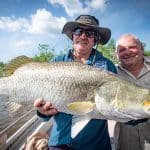
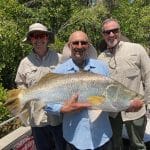
You’ve probably seen the pitch: book one of those fishing charters darwin australia trips, nail a barra in the mangroves at dawn, then head offshore for reef fish after lunch. It sounds efficient. It also ignores how the Top End actually works.
Barramundi live in estuaries, floodplains and river mouths. Reef and bluewater species sit on ground further out from Dundee and beyond the harbour. Tides, seasons and departure points pull those fisheries in different directions, so a single half-day can’t realistically cover both. In this post, we’ll break down why that plan falls over, where each fishery sits, and how season changes the game. We’ll also look at what a genuinely combined itinerary involves, usually a multi-day or mothership format that moves between grounds, and how to judge an operator: can it move at all? By the end, you’ll know how to pick the format that fits the fish, not just the brochure.
Barra at Dawn, Reef Fish After Lunch: Why That Plan Falls Over
Picture it: barra smashing lures in the mangroves at first light, reef fish after lunch, back at your Darwin hotel by dark, all on one ticket. Plenty of visitors ask for exactly that, and on paper it sounds efficient.
Here’s what actually breaks it. Barramundi live in estuaries, floodplains and river mouths. Reef and bluewater species sit on ground further out from Dundee Beach and beyond the harbour. Different habitat, different tide windows, different departure points. One day can’t hold both.
Worth being straight about the argument, too: no single source says a barra-and-reef day is physically impossible. The case is built from habitat separation, how the barramundi season shifts with the run-off, operator formats (harbour charters, motherships, lodges) and location-specific fishing rules.
The fix isn’t a busier schedule. It’s a trip format that physically relocates between grounds, usually over multiple days.
First, though, we need to pull the two fisheries apart. Then we can put them back together into an itinerary that genuinely works.
Where Barramundi Actually Live: Estuaries, Floodplains and River Mouths
Barramundi are an estuarine and freshwater fish. The NT Government lists their habitat as coastal foreshores, estuaries, tidal creeks, swamps, floodplains and upstream rivers reachable from the sea. Spawning happens in marine bays and river mouths between September and March, then juveniles push into mangroves and wetlands over the Wet.
So the water you’re actually fishing is shallow and inshore: mangrove-lined creeks, snag piles, drains, colour changes and tidal river bends. Not reef ledges or bluewater marks.
Top End grounds that fit that description include Corroboree Billabong, Shady Camp, the Daly River, Kakadu waterways, Arnhem Land rivers and the mangrove creeks inside Darwin Harbour. If you’ve spent time chasing Murray Cod down south, you already have more transferable skills for barramundi fishing than you think.
Season shapes it too. Barramundi are usually on the bite in mangrove creeks and estuaries such as Darwin Harbour during the Wet (January to mid March), and still biting in big tidal rivers through the Dry.
The punchline: everything about this fishery is inshore, shallow and tide-driven. That’s the first reason a morning barra session can’t roll straight into an afternoon on the reef.
Where the Reef and Bluewater Ground Sits: Out From Dundee and Beyond the Harbour
That inshore world is only half the picture. Reef and bluewater species sit on ground further out, out from Dundee Beach and beyond Darwin Harbour, which is a different run from a creek mouth entirely.
Reef fishing also runs to its own peaks. Through the Run-Off (March to April), Golden Snapper and Giant Trevally are described as plentiful on both inshore and offshore reefs. The Build-Up (October to December) is described as good for offshore reefs, while Spanish Mackerel is the prime Dry season target. None of that is estuary fishing.
One catch for route planning: not every offshore mark is open. Reef fish protection areas exist, and fishing is not permitted inside them, though you can travel through while underway. They were introduced in 2015 to help golden snapper and black jewfish recover, and they matter when an operator is mapping an offshore leg.
Worth being upfront: we are not quoting distances or transit times here, because the sources do not give them. The case against the one-day double is habitat and format, not a made-up number of kilometres.
For a sense of how a multi-day format actually moves, three day fishing charters in Darwin walks through the day-by-day shape.
Season Pulls the Two Fisheries Apart, Not Just Distance
Distance is only half the story. Season keeps these two fisheries on separate ground too, and the NT Guided Fishing Industry Association’s seasonal rundown makes it plain.
Build-Up (October to December) is the closest thing to an overlap: good for offshore reefs and estuaries alike, though it also kicks off the barramundi breeding season, and the fish are still in different water. Wet (January to mid-March) is barra country, with fish on the bite in mangrove creeks and estuaries like Darwin Harbour, while bluewater conditions are their own separate proposition. Run-Off (March to April) flips the priority, with Golden Snapper and Giant Trevally plentiful on inshore and offshore reefs. Reef-first, not barra-first. Dry (May to September) leaves both fishable but from different ground: Spanish Mackerel the prime offshore target, barramundi still biting in the big tidal rivers.
So build a combined itinerary around a shoulder window, and check the operator can name the season their route targets. Ask that of any barramundi fishing charter in Darwin and you’ll quickly tell a genuine multi-ground trip from a species list.
One bit of context: the 2026 commercial gillnet buy-back is a commercial reform, and the department says it doesn’t affect other fisheries, licence types or sectors. Season sets the what and the when. Where you launch from decides whether the plan is possible at all.
Departure Points: Why Fishing Charters Darwin NT Run So Differently
Seasons decide when. Departure points decide how, and that’s where Darwin fishing charters split.
Local harbour charters launch minutes from a city hotel, so they’re built as short, single-ground days by design. Dundee Beach is the western bluewater departure point, reached by road, and it puts reef and bluewater ground within easy range of the ramp rather than the city. Remote river systems and floodplain fisheries work differently again: live-aboard motherships anchored in those rivers, or lodges and safari camps used as a base across multiple days.
Harbour charter, mothership, lodge. That split is the main product decision buyers face, so anyone comparing fishing charters Darwin NT is really choosing reach.
Fishthetopend.Com runs fishing charter options across Darwin and Dundee Beach and remote Northern Territory locations, with stays in Darwin at a fishing lodge or on a mothership live-aboard boat. That’s the format shape that makes a combined trip possible. Still mapping the grounds? Our Fishing Darwin NT guide covers species, seasons and locations.
What a Genuinely Combined Barramundi and Offshore Itinerary Looks Like
The fix isn’t a longer day. It’s a boat that moves. A genuinely combined trip means physically relocating between estuary and reef ground, normally across two or more days.
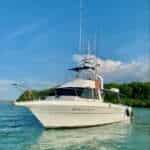
Mothership: a live-aboard anchored in a remote river system, where you fish creeks, floodplain and river mouth ground straight off the boat, then reposition to reef country for the offshore legs.
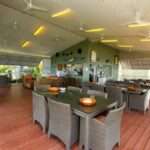
Lodge or camp: a Darwin base or remote camp, with each day’s boat and departure point matched to that day’s fishery. Some days you launch for barra, others you run wide. If that sounds like the format you want, our barra lodge NT guide unpacks lodges, motherships and remote camps.
A realistic shape: barramundi sessions on the creek, floodplain and river mouth ground early, then a change of ground and departure point for reef and bluewater targets. Grounds that fit include Corroboree Billabong, Shady Camp, Kakadu, the Daly River, Arnhem Land, Darwin Harbour, Bynoe Harbour and Dundee Beach, depending on season and the itinerary.
One thing to check before you book: nobody can promise a fixed transit time between grounds. Running time depends on the vessel, the weather and which marks the operator is working, so ask rather than assume.
Next, how to judge whether an operator can actually move between grounds.
How to Judge an Operator: Ask Whether It Can Move Between Grounds
You’ve now seen what a combined trip looks like, so here’s how to sort a real one from a brochure species list.
Ask one blunt question: does the itinerary physically move between estuary and reef ground across the trip, or does it name barramundi and goldies on a single-ground day? If the boat never leaves one fishery, the species list is just decoration.
Format is the fastest tell. A multi-day mothership live-aboard or a lodge-based trip, like ours out of Darwin, Dundee Beach and remote NT locations, can relocate. A local harbour charter, brilliant as it is, is built for one fishery out of one ramp.
Next, who sorts the rules? A multi-ground route crosses several management zones, so permits and zone limits are the operator’s job, not yours. A vague answer there is a red flag.
Then check the season against the species list. Does the proposed window actually put those fish on that ground?
Finally, ask them to show you the route and the ground, not just the fish. A genuine operator can walk you through the plan day by day.
Run the same checklist on any operator you compare, whether you’re looking at charters out of Darwin or something further west from Dundee Beach. And if barramundi is the priority, Barra Fishing Darwin: 8 Things Every Angler Needs to Know is worth a read before you lock anything in.
Rules a Multi-Ground Itinerary Has to Respect
Compliance is the quiet part of a multi-ground trip. Your route crosses several management zones, and each one runs its own rules.
Doctors Gully is a no-fishing aquatic life reserve, so it’s a hard no on any harbour-side itinerary. At East Point, fish under 30 cm must be returned as soon as possible and with as little damage as possible, which changes how you handle smaller fish on a harbour session. New to that ground? Our Barra Fishing in Darwin: Everything You Need to Know Before You Book is a good primer, but the rules come first.
In Kakadu, only a rod and reel or hand line with a single hook or lure is allowed. No set lines, no live bait. Possession limits as listed by NT Fisheries are three barramundi up to 90 cm plus one over 90 cm per boat, though these rules get reviewed, so confirm the current version before you travel.
No one may fish in reef fish protection areas, which matters when the offshore leg is being planned.
No recreational fishing licence is needed in the Northern Territory. Permits are required for Aboriginal land, and may apply to tidal waters over it, so check with the relevant land council.
A combined trip passes through several zones, so compliance is part of what you’re paying an operator for.
The Takeaway: Pick the Format That Moves, Then Match It to the Season
Compliance is the operator’s job, and so is movement. That second one is the test that settles which trip you book.
If you want barramundi and offshore fish on one Top End holiday, stop shopping for a single big day and start shopping for a format that relocates. Mothership live-aboard trips and lodge-based itineraries are the formats that physically shift between estuary and reef ground. Local harbour charters are excellent at what they do, but they’re built for one fishery.
Before you commit, ask four things: what’s the route, what’s the format, who handles permits and zone rules, and which season does the itinerary target? A vague answer is an answer. That checklist is our advice, not a regulation, but it filters operators fast. Run the same test on any Darwin or Dundee Beach charter you compare.
Then match the trip to the calendar. The Build-Up (October to December) is the clearest shoulder window where estuary and reef fishing overlap, so build around that rather than forcing a reef leg into a barramundi peak.
Judge the finished product on two things: does it move between grounds, and does the species list match where those fish actually sit in the season you’re travelling?
Conclusion
Barramundi and offshore reef fish live in different worlds, so a single big day usually can’t do both well. Local harbour charters are brilliant for one fishery, but if you want both, look for a format that physically moves between estuary and reef grounds, like mothership live-aboard or lodge-based itineraries.
Season is the other half. The Build-Up, October to December, is the clearest overlap window, so build around it instead of forcing a reef leg into a barramundi peak. And remember, permits and zone rules are part of the operator’s job.
Your next step: ask any Darwin or Dundee Beach charter four simple questions. What’s the route? What’s the format? Who handles permits and zone rules? Which season does it target? Then pick the trip that moves, matches your calendar, and puts you on the right fish.