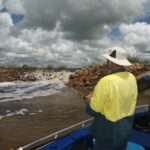
If you’ve ever typed helicopter tours darwin into a search bar, you’re probably not after a fancy flight. You’re after fish. Specifically, the barramundi and remote Top End water that sit hours, or even days, past the last boat ramp. That’s the access problem this post unpacks. A heli fishing charter isn’t a luxury version of a harbour or Dundee day trip. It’s a different product built around reach: dropping anglers onto rivers, billabongs and floodplain flats that road and boat anglers simply can’t hit in a short trip.
We’ll look at why the best barra water is so far out, what fly-in access actually changes, and which remote rivers and billabongs open up. We’ll also cover the rules that bite, including Kakadu closures, gear limits, permits and Aboriginal land access. Then we’ll compare season fit and help you decide between a harbour trip, a Dundee run or a fly-in charter. The takeaway? Buy reach, not luxury.
The Access Problem: Why the Best Barra Water Sits Hours Past the Ramp
Darwin Harbour is about five minutes from the CBD, and that’s the point. The barra water people actually talk about sits much further out, behind long road hauls, unmarked river mouths and floodplain no trailer boat is going to reach and fish in a single day.
The NT Guided Fishing Industry Association frames Top End fishing as a spectrum: harbour charters five minutes from your hotel at one end, live-aboard motherships anchored in remote river systems at the other. Fly-in access sits past that top end. It’s not a fancier version of the same day; it’s reach into water the road network never gets to.
Every extra hour of travel costs you something. Fuel, tide windows, daylight, and the odds the run-off bite shuts down before you get there. Drive and run a boat for six hours and you might fish a marginal tide. Fly in and you can pick your window.
Two readers care about this. Time-poor visitors with two or three days in Darwin, and keen anglers who’ve already worked the obvious spots and want ground with less pressure on it.
For the full picture of how each charter type stacks up, our Fishing Charters Darwin: A Complete Guide to the Top End covers it.
What Fly-In Access Actually Changes
The moment you swap a trailer boat for a chopper, the maths stops being about distance and starts being about time on the water. Water that’s a full day’s drive plus a long run downriver becomes a short hop, so more of your day goes into casting rather than towing, launching and refuelling.
That reach also unlocks a different tide and light window. Instead of being tied to a ramp and a fuel range, you can plan around a specific creek mouth or flat and hit it when the tide and light line up. On a fly-in day, the water leads the schedule, not the road.
Logistics shift with it. Gear has to be compact and inside weight limits, and plans lean on weather and landing options. Pack like you’re carrying it, because you probably are.
Here’s the honest bit: general Top End fishing sources don’t establish helicopter landing permissions, CASA requirements or aerial drop-off rules in parks. In the NT, flying a piloted aircraft such as a helicopter in parks generally needs a permit, and restrictions can apply for cultural, safety or environmental reasons. Treat that detail as operator-specific and confirm it with your charter before booking.
Really, the heli tours Darwin search is an access question. What it buys is rivers, billabongs and flats a boat can’t reach in a day, not cabin trim. If that’s the water you’re chasing, these heli fishing charters spell out the reach.
Remote Rivers: Water That Sits Past the Last Ramp
Past that, the sharpest answer about what fly-in access changes is river systems sitting beyond the last ramp. These are the rivers most of us picture when we talk about lightly fished barra country, which is the whole appeal if you’ve already worked over the popular water.
Timing does most of the heavy lifting out here. The Run-Off, when barramundi concentrate around creek mouths and rivers, is the window where remote river access pays off most. And timing the trip around a tide window only works if the water itself is open.
Remote doesn’t mean unregulated. Inside Kakadu, the West Alligator River and waterways upstream of the Kakadu Highway are closed to fishing and boating, so check whether your target sits inside a closed zone before you commit.
When you’re weighing up helicopter tours Darwin operators, ask which river, which landing point, and what happens if the weather turns. Vague answers tell you plenty.
If a fly-in day has you thinking about a longer stay, our guide to a barra lodge in the NT unpacks fixed lodges, mothership live-aboards and remote camps.
Billabongs and Floodplain Flats a Boat Cannot Reach
Rivers are only half the map. Step off the main systems and you find the billabongs, still backwaters where barra and saratoga sit in water so lightly pressed it feels almost unfair. No ramp, no traffic, and precisely the water a trailer boat either can’t reach or won’t bother with.
Inside Kakadu, two named options are worth putting to an operator: Djarradjin and Sandy billabongs on the Nourlangie Creek system, where fishing is permitted. The West Alligator River and waterways upstream of the Kakadu Highway stay closed, so ask before assuming.
Then come the floodplain flats and shallow margins. Skinny water suits sight fishing and lure work but punishes heavy gear: light line, quiet presentations, and a plan for getting out again when levels drop. That’s where fly-in access genuinely beats a trailer boat.
Keep the comparison honest. A harbour day trip fishes known ground minutes from town. A fly-in billabong day is about one specific piece of water, chosen in advance around tide and light, so it helps to know where the run-off action actually happens.
Where the Rules Bite: Closed Waters, Gear Limits and Permits
The rules don’t relax just because you flew in.
Inside Kakadu you’re limited to rod and reel or handline with a single hook or lure. Live bait is out, set lines are out, and landing nets are for landing fish only. Dead bait caught within the park is about your only bait option, so pack light and pack legal.
The framework behind that is the Environment Protection and Biodiversity Conservation Regulations 2000 plus the NT Fisheries and Marine Acts. Fishing tour operators need a current Kakadu National Park permit or licence to work in there, so it’s worth confirming which one applies to your trip.
The general Kakadu possession limit is 15 fish per person. Barramundi numbers, though, differ between what Kakadu’s own document and the NT Government’s fishing rules for specific areas state, so ask rather than assume. Better to leave a number out than quote the wrong one.
Restricted zones still apply, and permits are required to enter Aboriginal land, which matters if Arnhem Land is on your itinerary. Near Darwin, East Point reserve returns anything under 30 cm. Some waters are shut to fishing and boating altogether.
Kakadu’s fishing document states plainly that the laws are regularly reviewed and may change. Confirm current rules and permit conditions with your operator before booking. If you’re still working out the basics of a Darwin barramundi fishing charter, start there.
Season Fit: When Flying In Is Worth It for a Short Trip
Rules sorted, timing is the next call, and on a short trip it matters more than almost anything else.
Here’s how the Top End seasons stack up. Build-Up brings barramundi breeding plus offshore, reef and estuary action, which suits visitors in Darwin before the Wet properly sets in. Wet Season is the awkward one: fishing happens in the weather breaks, mostly in mangrove creeks, so you need flexibility and a decent read on the forecast. Run-Off is the headline barramundi window, with fish gathering around creek mouths and rivers. Dry Season is peak bluewater, Spanish mackerel included, so it’s the pick if you want offshore mixed with estuary.
Now put yourself in it. Two or three days in Darwin, and one of them spent driving? Flying to water that’s otherwise a full day away is the difference between actually fishing the Top End and just driving past it.
If your dates land in the Dry and you’d rather stay closer to town, a Darwin Harbour fishing charter covers the near ground well. For remote water, match the season to what you want to catch, then lock your dates around it.
Which Trip Suits You: Harbour, Dundee or Fly-In
Season sorted, next question: which trip type fits? Compare on access, travel time and water reached, not price. These are different products, not tiers of one.
Harbour and near-shore charters suit first-timers, families and anyone short on time. The NT Guided Fishing Industry Association notes some leave five minutes from the hotel.
Dundee Beach or Bynoe Harbour day trips suit anglers after a full day on proven ground: a comfortable run and a known launch point.
A live-aboard mothership in a remote river system suits multi-day anglers who want to stay on the water and fish deep into a system.
A heli charter suits the angler who wants a specific piece of remote water on a specific day, and who will trade carrying capacity and flexibility for reach. Instead of a full day’s drive plus a long run downriver, you’re fishing that creek mouth on the tide you actually want. You also give up some gear freedom: fewer rods, lighter kit, and a plan that bends with the weather.
Fishthetopend lists charter options around Darwin, Dundee Beach and remote NT spots including Corroboree Billabong, Shady Camp, Kakadu, Daly River, Arnhem Land, Dundee Beach and Bynoe Harbour, plus fishing lodges and mothership live-aboards. Weighing up a Darwin fishing trip? The remote water is already their patch.
So the real comparison isn’t cost. It’s which water each option puts you on.
The Takeaway: Buy Reach, Not Luxury
Before you book anything, ask the access question: which river, billabong or flat does the flight actually put you on, and how long would that water take by road and boat? If the answer is the same stuff a harbour charter reaches, you don’t need a helicopter.
Season next. Match your dates to the season windows above: Run-Off for barra, Dry for offshore.
Then confirm the rules for that exact water. Permits matter too, so ask your operator to show current paperwork for Kakadu and any Aboriginal land access.
Finally, compare it honestly. A harbour or Dundee day trip suits a relaxed run to well-known ground. A fly-in day delivers reach. If reach is what you’re after, it earns its place; if not, the standard charter is the better fit. Use our comparison of barra fishing trips in Darwin to line up the right trip type before you book.
Conclusion
Helicopter fishing from Darwin is about reach, not luxury. The real win is water that would take hours by road and boat, whether that’s a remote river, a floodplain flat or a billabong a standard charter can’t touch. But reach only pays off when the flight lands you on specific water that’s actually better for your dates.
Ask the access question first, match the season, confirm the rules, then compare trip types honestly.
If reach is what you’re after, it earns its place. Want to line up the right trip type? Use our comparison of barra fishing trips in Darwin, then book with the access you actually need.